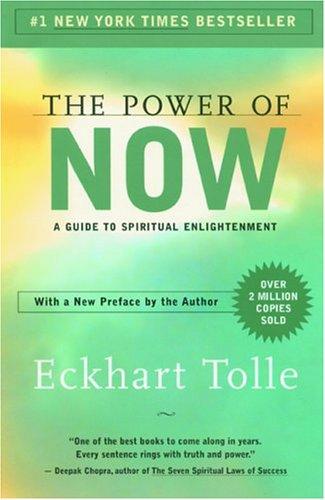
The Power of Now
A Guide to Spiritual Enlightenment
by Eckhart Tolle
Editorial review
Tolle's book is best read as contemplative literature rather than psychology in the academic sense. Its core practice — disidentification from the stream of mental commentary — overlaps significantly with what cognitive therapists call 'cognitive defusion,' which is part of why it has lasted.
AI-generated summary
Tolle argues that most human suffering is the product of compulsive thinking that pulls attention out of the present moment into past regret or future anxiety. The book offers a series of pointers and practices for returning attention to direct experience.
Key takeaways
- 1
You are not your thoughts; observing them is itself a form of freedom.
- 2
Most pain is psychological time — past or future, not present.
- 3
Acceptance of what is precedes effective action.
- 4
The 'pain-body' is a useful name for accumulated emotional residue.
The right reader
Readers drawn to contemplative or mindfulness traditions. Pairs well with secular books like 'Why Buddhism is True' for those who want a more analytical frame.
What it touches
How it reads
Calm, contemplative, spiritual.
Reading difficulty: Accessible